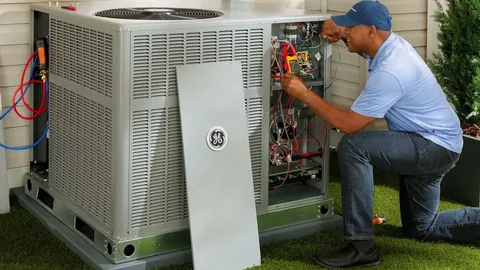
A well-planned reliable HVAC design and installation project can improve indoor comfort, airflow, energy use, and equipment performance throughout a La Vernia home. Installing a new heating and cooling system involves much more than choosing equipment with a familiar brand name. The system needs to match the property’s size, layout, insulation, ductwork, electrical capacity, and expected cooling demands before installation begins.
Blackbelt AC & Electrical provides HVAC and electrical services throughout San Antonio and surrounding Texas communities. For homeowners considering a new system or replacing aging equipment, careful planning can help prevent common problems such as uneven temperatures, frequent cycling, excessive energy use, and poor airflow between rooms.
Texas homes can experience demanding cooling conditions for much of the year. Therefore, HVAC equipment should be selected and installed around actual property requirements rather than assumptions based only on square footage. A thoughtful design combines appropriate equipment capacity, suitable duct connections, balanced airflow, safe electrical work, and accurate system testing to create dependable everyday comfort.
Start With the Home Before Selecting HVAC Equipment
HVAC equipment should be selected only after the property’s cooling and heating needs are understood. Two homes with similar square footage can require different systems because of ceiling height, insulation, window exposure, floor plan, occupancy, and existing duct conditions. Choosing equipment without considering these details can create performance problems even when the unit itself is high quality.
A professional assessment gives homeowners a clearer basis for comparing system options. It also helps determine whether existing ductwork, thermostats, electrical components, or other parts of the HVAC system need attention before new equipment is installed.
Proper System Sizing Supports Consistent Comfort
HVAC system sizing should account for how much heating or cooling the property actually requires. Oversized equipment may reach the thermostat setting quickly but cycle too often, while undersized equipment may run for long periods without maintaining comfortable indoor temperatures during demanding weather.
Installers should also consider insulation quality, air leakage, window placement, room usage, and sun exposure. These factors influence how heat enters and leaves the building throughout the day. As a result, homeowners receive a system recommendation based on the building rather than simply replacing an older unit with equipment of the same capacity.
Correct sizing also supports humidity management, equipment efficiency, and more consistent temperatures throughout the property. These benefits make proper evaluation one of the most important stages of HVAC planning.
Design the System Around Airflow and Room Layout
Heating and cooling equipment cannot perform effectively when conditioned air does not reach rooms in the correct amounts. Duct placement, supply registers, return-air pathways, equipment location, and room configuration all influence how air moves throughout a building. Therefore, airflow planning should be considered before the new system is fully installed.
An effective HVAC plan should distribute conditioned air without creating rooms that remain noticeably warmer or cooler than the rest of the property. Existing duct systems should also be examined when new equipment will connect to older components.
Air Distribution Matters as Much as Equipment Capacity
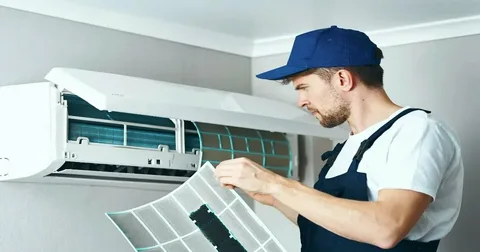
Professional HVAC design and installation should include attention to duct connections and airflow performance, not simply placement of the indoor and outdoor units. Blackbelt AC & Electrical describes its AC installation process as including system selection, ductwork connections, airflow optimization, electrical setup, and performance testing.
A thoughtful ductwork and airflow design considers supply locations, return-air movement, duct size, and the amount of conditioned air each part of the home requires. Poor airflow can reduce comfort even when the HVAC unit itself operates correctly.
Homeowners replacing an older air conditioner should also ask whether existing ducts are suitable for the new equipment. Leaks, restrictions, poor connections, or inadequate duct dimensions may limit performance. Addressing those issues during installation can help the new system operate closer to its intended efficiency and comfort levels.
Choose Energy Efficiency Based on the Whole System
Higher-efficiency HVAC equipment can help reduce energy consumption, but equipment ratings alone do not determine how efficiently the system performs after installation. Proper sizing, airflow, thermostat settings, insulation, duct condition, and installation quality all affect real-world performance inside the home.
Homeowners should therefore compare complete system designs rather than focusing only on one efficiency number. A well-matched system with correct installation can provide more dependable results than premium equipment connected to poorly performing ducts or installed without proper setup.
Installation Quality Influences Energy Performance
For homeowners considering energy-efficient AC installation in La Vernia, TX, system efficiency should begin with the property’s actual comfort needs. The La Vernia service page describes AC replacement and installation that includes assessing cooling requirements, recommending energy-efficient equipment, and completing installation according to manufacturer standards and local codes.
Energy-efficient cooling systems can provide meaningful benefits when they operate under the right conditions. However, homeowners should also consider thermostat controls, insulation, air sealing, and regular maintenance because these factors influence how frequently the system needs to operate.
The goal should not simply be purchasing the highest-rated equipment available. Instead, homeowners should choose a properly sized system that fits the house, budget, and expected use. This balanced approach can support reliable cooling while avoiding unnecessary equipment capacity or features.
Coordinate Electrical, Thermostat, and HVAC Components
A new HVAC installation involves more than refrigerant lines and ductwork. Electrical connections, breakers, disconnects, thermostats, indoor controls, and equipment communication systems all need to work correctly together. These components should be reviewed during planning, especially when new equipment has different electrical requirements than the system being replaced.
Because Blackbelt AC & Electrical provides both HVAC and electrical services, the company works within two closely connected systems that affect home comfort and equipment operation. Homeowners should still confirm the specific electrical scope included in their HVAC proposal before installation begins.
System Components Should Be Planned Together
An expert HVAC design and installation process should confirm that the property can safely support the selected equipment. Electrical capacity, thermostat compatibility, equipment placement, and control wiring should be addressed before final setup rather than treated as separate concerns after installation.
Homeowners may also consider modern thermostat options when replacing older HVAC equipment. Programmable or smart controls can make temperature schedules easier to manage, but they still need to be compatible with the heating and cooling system.
Five important coordination points include:
- Equipment electrical requirements
- Thermostat and control compatibility
- Indoor and outdoor unit placement
- Duct and airflow connections
- Final system testing and calibration
Coordinating these details helps reduce installation conflicts and gives technicians an opportunity to confirm that each component supports the overall HVAC design.
Plan for Comfort Beyond the Day of Installation
A successful HVAC project should provide dependable performance after the installation team leaves. Homeowners should understand basic filter requirements, thermostat operation, recommended maintenance, and common warning signs that may indicate developing problems. These habits can help protect system performance and make small issues easier to identify.
The installation process should also include testing rather than assuming that newly installed equipment automatically works correctly. Temperature consistency, airflow, thermostat response, electrical operation, and equipment cycling should be checked before the project is considered complete.
Final Testing Helps Confirm System Performance
Homeowners considering residential HVAC installation in Helotes, TX should look for a process that includes appropriate setup and verification. Blackbelt AC & Electrical’s Helotes service page includes AC installation among its local HVAC services and emphasizes energy-efficient solutions for residential and commercial properties.
Final testing can identify airflow imbalances, control issues, or installation adjustments before they become ongoing comfort problems. Homeowners should also ask how to operate the thermostat and what maintenance schedule is recommended for the new system.
Good installation is therefore not only about getting equipment running. It should leave the homeowner with a system that has been checked, configured, and explained clearly enough for routine operation and maintenance.
Know When Replacement Makes More Sense Than Another Repair
Not every HVAC problem requires new equipment. Many systems can continue operating effectively after appropriate repairs or maintenance. However, repeated breakdowns, declining efficiency, major component problems, inconsistent cooling, or equipment nearing the end of its useful service life may lead homeowners to compare replacement with continued repair costs.
The decision should consider the condition of the entire system rather than one isolated problem. Ductwork, indoor components, outdoor equipment, electrical requirements, and comfort performance can all influence whether a replacement provides practical long-term value.
Compare Long-Term Performance With Immediate Cost
A dependable HVAC design and installation plan should explain why particular equipment is being recommended and how the new system addresses existing problems. Homeowners should ask about capacity, efficiency, including installation work, warranty information, and any modifications required for ducts or electrical components.
Blackbelt AC & Electrical provides AC replacement and installation alongside repair, furnace, heat-pump, and electrical services. When comparing replacement options, homeowners should request a clear scope so they understand which components will remain, which will change, and what testing will occur after installation.
Price remains important, but the lowest initial estimate may not offer the best overall value if major installation details are excluded. A complete proposal allows homeowners to compare equipment, labor, system modifications, and long-term expectations more accurately.
Conclusion
HVAC installation works best when equipment selection follows careful planning. Homeowners in La Vernia should consider property size, insulation, room layout, duct condition, airflow, electrical requirements, and expected cooling demands before choosing a replacement system. These factors influence everyday comfort just as much as the equipment itself.
Proper design also helps prevent common performance problems. An oversized system may cycle too frequently, while an undersized unit may struggle during hot Texas weather. Poor duct connections can reduce airflow, and incompatible electrical or control components may limit system operation. Addressing these details during planning creates a stronger foundation for reliable performance.
Blackbelt AC & Electrical provides HVAC installation, replacement, repair, and related electrical services throughout San Antonio and surrounding communities. Homeowners evaluating a new system should review the complete installation scope, ask how equipment capacity was determined, and understand how airflow and final testing will be handled.
Professional HVAC planning should ultimately create more than cold air. The goal is balanced comfort, efficient operation, dependable equipment performance, and a system designed around the actual home rather than a one-size-fits-all recommendation.
FAQ’s
What does HVAC design and installation include?
The process can include evaluating the property, selecting suitable equipment, planning airflow, connecting ductwork, completing electrical and thermostat setup, installing the equipment, and testing system performance after installation.
Why does HVAC system sizing matter?
Correct sizing helps the equipment maintain comfortable temperatures without excessive cycling or extended operation. Property size, insulation, windows, layout, and other factors should be considered when selecting system capacity.
Can I use my existing ductwork with a new HVAC system?
Existing ducts may sometimes remain in place, but their condition, size, connections, and airflow should be evaluated. Problems such as leakage or restrictions can reduce the performance of new equipment.
What should I compare when choosing a new HVAC system?
Compare equipment capacity, efficiency, warranty coverage, installation scope, ductwork requirements, electrical needs, thermostat compatibility, and the contractor’s approach to final testing.
How do I know if I should repair or replace my HVAC system?
Consider equipment age, repair frequency, energy use, comfort problems, component condition, and the cost of major repairs. A professional evaluation can help compare continued repair with replacement.