
Get safe, code-compliant electrical work with electrical contractors in San Antonio, TX. Blackbelt AC and Electric shares what local homeowners need before hiring.
That flickering light isn’t going away. The breaker trips every time you run the microwave and the toaster at the same time. Your outlets feel warm, or worse — they spark when you plug something in. These aren’t quirks of an old house. They’re warnings that your electrical system is struggling to keep up with modern demands. If you’ve been searching for Affordable electrical contractors in San Antonio, TX, you’re probably weighing whether this is a simple fix or something that requires a full panel upgrade. Blackbelt AC and Electric has worked with homeowners across the Alamo City who faced exactly this dilemma, and the honest truth is this: electrical problems don’t get cheaper if you wait.
What Electrical Contractors Actually Handle
An electrical contractor does far more than swap out light switches. In San Antonio, licensed contractors manage:
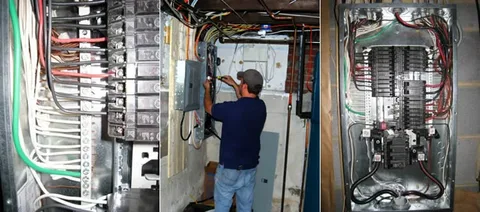
- Panel upgrades: Replacing outdated fuse boxes or 100-amp panels with 200-amp service to handle modern loads
- Rewiring: Removing old aluminum or knob-and-tube wiring and replacing it with copper Romex
- Circuit additions: Adding dedicated circuits for appliances, EV chargers, home offices, and outdoor equipment
- Lighting installation: Recessed can lights, under-cabinet lighting, landscape lighting, ceiling fan wiring
- Generator installation: Whole-home standby generators with automatic transfer switches
- Code corrections: Fixing unpermitted work, grounding issues, and safety violations from previous owners
In San Antonio, we’ve noticed that most homeowners assume their 1980s or 90s home has “modern” wiring just because it isn’t knob-and-tube. The reality is that many San Antonio neighborhoods — especially those built during the 1970s oil boom — have aluminum branch circuit wiring that overheats at connection points. Professional electrical contractors in San Antonio, TX should inspect your panel and visible wiring before quoting any work, because the fix you think you need might not be the fix your house actually needs.
The Real Challenge in San Antonio
What locals actually face with electrical work goes beyond the technical. San Antonio’s housing stock is a patchwork of eras — Victorian homes in King William, mid-century ranches in Alamo Heights, 1990s subdivisions on the North Side, and new builds on the far West Side. Each era has its own electrical personality, and each presents different risks.
The local challenge that catches homeowners off guard: CPS Energy’s grid strain during Texas heat waves. San Antonio summers push air conditioners to their limits, and the resulting voltage fluctuations — brownouts and brief surges — damage sensitive electronics and stress aging panels. Homes with outdated service entrances and corroded meter bases are especially vulnerable.
A client in San Antonio reached out when they noticed their lights dimming every time the AC compressor kicked on. Their 1970s ranch on the Northeast Side had a 100-amp Federal Pacific panel — a model known for failing to trip during overloads. The previous owner had added window AC units, a pool pump, and a garage workshop without ever upgrading the service. The panel was a fire hazard waiting for an excuse. They ended up needing a full 200-amp service upgrade, new meter base, and complete rewiring of the garage circuit — work that would have been far less expensive if addressed when the first additions were made.
Here’s the objection competitors rarely answer honestly: Will my house be without power overnight? Most San Antonio electrical contractors avoid this question until you’re already committed. The answer depends on the scope. A panel replacement typically requires CPS Energy to disconnect and reconnect service, which means 4–8 hours without power. Whole-home rewiring can leave sections of your house dark for days. Ask about power scheduling before you sign — a contractor who plans the disconnect for morning and coordinates with the utility for same-day reconnection saves you from sleeping in a hot, dark house.
How Blackbelt AC and Electric Approaches It Differently
Most electrical contractors in San Antonio treat every job as a straightforward installation. We don’t. The Alamo City’s mix of historic homes, aging subdivisions, and new construction demands a diagnostic mindset before any work begins. Our process includes:
- Load calculation: We measure your actual electrical demand — not just what your panel says, but what your appliances, HVAC, and lifestyle draw — to right-size any upgrade
- CPS Energy coordination: We handle the utility paperwork, meter base inspections, and disconnect/reconnect scheduling so you aren’t stuck making calls to the power company
- Historic home expertise: San Antonio’s older neighborhoods have plaster walls, limited attic access, and original fixtures that require creative routing and preservation-minded techniques
Trusted electrical contractors in San Antonio, TX should also explain what they’re doing in terms you understand. We walk homeowners through their panel, show them exactly which breakers control which circuits, and label everything clearly. You shouldn’t need an electrician every time you want to shut off a breaker.
One insight generic articles never mention: San Antonio has a higher-than-average rate of homes with unpermitted electrical additions from the 1980s and 90s. During that era, DIY books and hardware store classes encouraged homeowners to add circuits, install subpanels, and wire additions themselves. Much of this work violates modern NEC codes — improper grounding, undersized wire for the breaker rating, overloaded neutral buses. We find this hidden work during routine service calls, and it changes the scope and cost of what the homeowner expected to be a simple repair. Catching it early prevents fires and failed inspections.
Practical Tips: What to Know Before You Decide
Before you hire an electrical contractor in San Antonio, consider these points:
- Verify Texas licensing. Electrical contractors must hold a Texas Electrical Contractor license, and individual electricians need a Texas Journeyman or Master Electrician license. Ask for license numbers and check them with the Texas Department of Licensing and Regulation.
- Confirm permit handling. Any panel upgrade, service change, or new circuit installation requires a permit from the City of San Antonio Development Services Department. Your contractor should pull the permit, schedule inspections, and provide you with the approved inspection documentation.
- Ask about surge protection. Given CPS Energy’s grid fluctuations, whole-home surge protectors are a smart addition during any panel work. They cost $300–$600 installed and protect your appliances from voltage spikes that standard power strips can’t handle.
Working with clients in San Antonio, our team found that homeowners who schedule electrical inspections during the cooler months — October through April — get faster permit approvals and more flexible scheduling. One local tip: San Antonio’s clay soil causes foundation movement, which stresses conduit runs and can crack weatherheads where wiring enters the house. If you notice exterior conduit pulling away from the wall or gaps around your service entrance, call for an inspection before water intrusion creates a bigger problem. Electrical contractors in San Antonio, TX should flag these exterior issues during routine calls, not just focus on the interior work you asked about.
CONCLUSION: Making the Right Call for Your Home’s Electrical System
Electrical work in San Antonio isn’t just about fixing what’s broken — it’s about preparing your home for the next 20 years of power demands. EV chargers, heat pumps, home battery systems, and smart panels are all coming, and many San Antonio homes aren’t ready. The right electrical contractor diagnoses your full system, coordinates with CPS Energy, and leaves you with a safer, more capable setup than what you started with. If you’re noticing warning signs — warm outlets, frequent breaker trips, flickering lights — start with a professional load assessment before you commit to any specific work. Blackbelt AC and Electric provides these evaluations for San Antonio homeowners who want clarity before investing in upgrades.
FAQs
How much do electrical contractors charge in San Antonio?
Most licensed electrical contractors charge $100–$150 per hour with a 2–4 hour minimum. Panel upgrades typically run $2,500–$4,500. Whole-home rewiring can reach $8,000–$15,000 depending on home size and access. Always get a written, itemized estimate before work begins.
How long does a panel upgrade take?
A standard 100-amp to 200-amp panel replacement takes one business day, though CPS Energy disconnect/reconnect scheduling can add a day or two. Whole-home rewiring spans 3–7 business days depending on square footage and wall access. Your contractor should provide a clear timeline before starting.
Do I need a permit for electrical work in San Antonio?
Yes. The City of San Antonio requires permits for panel upgrades, new circuits, service changes, and most modifications to existing wiring. Simple repairs like outlet replacement usually don’t need permits, but your contractor should know the threshold. Unpermitted work can void insurance and create liability issues.
How do I know if my home’s wiring is unsafe?
Warning signs include warm or discolored outlets, frequent breaker trips, burning smells, flickering lights, and aluminum wiring (common in 1965–1973 homes). If your home still has a fuse box or Federal Pacific / Zinsco panel, replacement should be a priority regardless of symptoms — these are known fire hazards.
What should I expect during an electrical inspection?
The City of San Antonio inspector checks that all work meets National Electrical Code standards — proper grounding, correct wire sizing, secure connections, and labeled panels. Inspections typically occur within 1–3 business days of the contractor’s request. You receive an approved inspection card once everything passes.