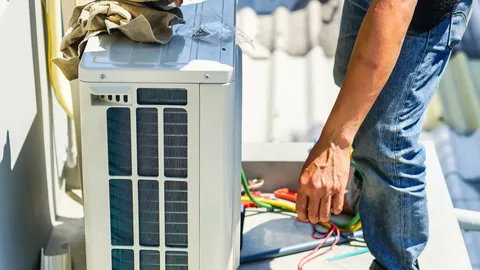
Replacing an air conditioner is not simply a matter of removing one outdoor unit and connecting another. The new equipment has to match the home’s cooling demand, duct system, electrical requirements, and airflow needs. Performance-Focused AC Replacement and Installation gives homeowners a chance to correct comfort problems while preparing the cooling system for years of Texas heat.
Blackbelt AC & Electrical provides HVAC and electrical services throughout San Antonio, Helotes, Boerne, Schertz, and other surrounding Texas communities. The company lists AC replacement and installation among its core heating and cooling services.
A replacement project may involve an energy-efficient AC system, central air conditioning replacement, professional HVAC system installation, AC unit replacement, and a broader home cooling system upgrade. Each decision affects more than equipment price.
The goal should be dependable cooling that suits the property instead of simply choosing the largest available unit. This guide explains the technical and practical decisions homeowners should understand before replacing an aging air conditioner.
Know When Replacement Makes More Sense Than Another Repair
An air conditioner does not automatically need replacement because one component fails. However, repeated breakdowns can become a sign that continued repairs no longer provide good value.
Look at the Entire System, Not One Repair Bill
Homeowners should consider system age, repair history, cooling performance, energy use, and overall condition together.
An older unit that requires frequent repairs may justify a planned AC unit replacement. In contrast, a relatively new system with one repairable component may still have useful service life remaining.
Pay attention when:
- Cooling becomes increasingly uneven.
- The system runs for unusually long periods.
- Repairs happen more frequently.
- Major components begin failing.
- Indoor comfort continues declining despite service.
A practical home cooling system upgrade may also make sense when the existing equipment cannot meet current household needs.
However, replacement should follow diagnosis. A duct restriction, thermostat problem, or airflow issue can sometimes create symptoms that resemble equipment failure.
Blackbelt AC & Electrical states that its technicians evaluate existing systems before recommending replacement equipment. That assessment helps homeowners compare repair and replacement based on actual system conditions rather than assumptions.
Choose AC Equipment by Capacity, Not Guesswork
Bigger equipment does not always cool a home better. An oversized air conditioner can reach the thermostat setting too quickly without operating long enough to manage comfort consistently.
Correct Sizing Supports Better Cooling
Expert AC Replacement and Installation should start with evaluating the property and selecting equipment suited to its cooling requirements. Blackbelt AC & Electrical notes that its replacement process considers home size and system capacity before installation.
Several factors can influence equipment sizing:
- Home square footage and layout
- Insulation levels
- Window exposure
- Existing ductwork
- Typical cooling demand
A properly sized energy-efficient AC system should meet the home’s cooling needs without relying on unnecessary capacity.
Likewise, professional HVAC system installation should account for airflow and duct connections. Even high-efficiency equipment may underperform when airflow is restricted.
Homeowners should therefore ask how a recommended system was selected. A clear explanation of capacity, efficiency, and compatibility provides more useful information than choosing equipment solely by brand or tonnage.
Evaluate Airflow Before Installing New Equipment
A new air conditioner still depends on the distribution system that carries cooled air through the home. If ducts leak, restrict airflow, or distribute air unevenly, replacing equipment alone may not solve every comfort problem.
The New System Must Work With the Existing Home
A quality central air conditioning replacement should include attention to airflow conditions.
Common warning signs of distribution problems include:
- Rooms that remain warmer than others
- Weak airflow from certain vents
- Excessive system noise
- Long cooling cycles
- Temperature differences between floors or rooms
For homeowners considering professional HVAC system installation in Helotes, TX, reviewing airflow before equipment selection can provide useful context. The company’s Helotes service page includes AC repair, installation, electrical work, and related HVAC services for local properties.
A reliable AC unit replacement should also include proper connections between the new system and existing ductwork.
Moreover, airflow testing after installation helps confirm that the equipment is delivering cooling through the home as intended.
Replacing an aging unit is valuable, but correcting distribution problems at the same time can make the investment more effective.
Compare Efficiency Without Focusing on One Number
Higher-efficiency air conditioners can reduce energy consumption compared with older equipment, but efficiency ratings should not be viewed in isolation.
Installation Quality Still Determines Real Performance
Dependable AC Replacement and Installation combines suitable equipment with correct setup.
An advanced energy-efficient AC system may provide stronger performance when installation supports the manufacturer’s design. However, poor airflow, incorrect charging, or installation mistakes can reduce those benefits.
Homeowners should compare:
- Equipment efficiency ratings
- Expected household cooling demand
- Equipment capacity
- Installation requirements
- Maintenance expectations
A professional home cooling system upgrade may also include thermostat or control improvements when appropriate.
Blackbelt AC & Electrical describes its AC installation process as including equipment selection, ductwork connection, electrical setup, airflow optimization, and final testing.
These details matter because a new unit is part of a larger cooling system. The outdoor condenser, indoor equipment, refrigerant circuit, ductwork, controls, and electrical connections must operate together.
Therefore, homeowners should evaluate both the equipment and the installation process when comparing replacement options.
Understand What Happens on Installation Day
Knowing the basic sequence of an AC replacement helps homeowners prepare for the work and understand what technicians should verify before leaving.
Replacement Should End With Testing, Not Installation
A careful central air conditioning replacement usually begins with removing the existing equipment and preparing connections for the new system.
The process can involve:
- Disconnecting and removing old equipment
- Positioning new indoor and outdoor components
- Completing refrigerant and electrical connections
- Connecting the system to existing ductwork
- Testing airflow and cooling operation
Blackbelt AC & Electrical describes removal, installation, airflow checks, temperature testing, and system setup as parts of its AC replacement process.
A precise HVAC system installation should also confirm that electrical requirements match the new equipment.
Once the system starts, technicians should evaluate operation rather than assuming that power alone confirms a successful installation.
A well-planned AC unit replacement ends with system testing, basic operating guidance, and information about future maintenance.
That final stage gives homeowners a baseline for how the newly installed equipment should sound, operate, and cool the property.
Prepare the New System for Texas Cooling Demands
Helotes and the surrounding San Antonio region experience long periods when air conditioning carries a significant workload. Therefore, replacement planning should consider sustained summer operation rather than occasional cooling.
Build Reliability Into the Replacement Decision
Strategic AC Replacement and Installation should focus on performance during demanding conditions.
Homeowners may want to review:
- Cooling consistency during peak heat
- Equipment efficiency
- Thermostat operation
- Filter access
- Routine maintenance requirements
For property owners exploring energy-efficient AC system installation in Boerne, TX, the company’s Boerne page specifically includes AC installation and replacement among its local HVAC services.
A thoughtful home cooling system upgrade should also make future maintenance practical. Filters, service components, and indoor equipment should remain reasonably accessible.
Meanwhile, Blackbelt AC & Electrical serves homeowners with both HVAC and electrical capabilities, which can be useful when new cooling equipment also requires electrical evaluation.
The best replacement decision prepares the home for real operating conditions, not just the first day the system runs.
Conclusion
An air conditioner is one of the hardest-working systems in a Texas home. Therefore, replacing it deserves more consideration than simply finding equipment that fits the old connections.
Reliable AC Replacement and Installation should begin with evaluating the existing system, understanding the home’s cooling demand, checking airflow, and selecting appropriate equipment.
A quality energy-efficient AC system can support lower energy use when the equipment is properly sized and installed. Likewise, a professional central air conditioning replacement can address aging equipment while creating an opportunity to correct existing comfort concerns.
Installation quality remains equally important. Dependable HVAC system installation should include correct connections, airflow evaluation, electrical setup, and final performance testing.
Homeowners should also consider future maintenance before making the final choice. A practical AC unit replacement should provide equipment that can be serviced and maintained throughout its working life.
Ultimately, successful replacement is not about installing the biggest or most expensive air conditioner. It is about matching equipment to the property, completing the technical details correctly, and confirming that the entire cooling system works as intended.
FAQ’s
How do I know when my air conditioner should be replaced?
Consider replacement when an aging system develops frequent repairs, declining performance, increasing operating costs, or major component problems.
Is a larger AC system always better?
No. Equipment should match the property’s cooling load. Oversized or undersized systems can create comfort and performance problems.
What does AC Replacement and Installation involve?
The process can include equipment evaluation, old-system removal, new equipment installation, electrical and refrigerant connections, airflow checks, and performance testing.
Can a new AC system improve energy efficiency?
Yes. Modern equipment may operate more efficiently than an older system, especially when properly sized, installed, and maintained.
Should ductwork be checked during AC replacement?
Yes. Airflow restrictions, leakage, or duct problems can affect how effectively a new cooling system distributes conditioned air.


