

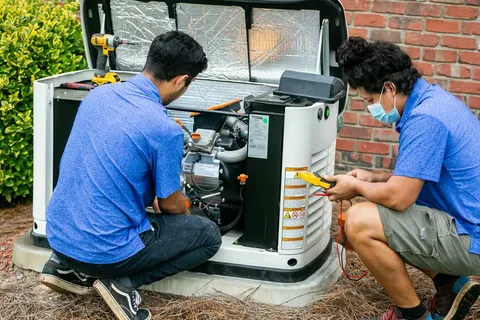
Power outages can interrupt lighting, refrigeration, climate control, internet access, security equipment, and other systems homeowners rely on every day. Reliable Generator Installation Services can provide a practical source of backup electricity when utility power becomes unavailable. However, dependable performance depends on much more than selecting a generator and placing it outside the home.
A properly planned system should match the property’s electrical demand, available fuel source, installation location, panel capacity, and the appliances homeowners want to keep operating. Therefore, generator planning should begin with realistic power needs rather than simply choosing the largest available unit.
Blackbelt AC & Electrical provides electrical and HVAC services throughout the San Antonio area, including generator solutions for homeowners who want more dependable backup power.
Professional planning also considers safe electrical connections, equipment clearances, transfer-switch operation, and future maintenance access. When these details work together, a generator can provide useful protection without placing unnecessary strain on the home’s electrical system.
Determine Which Home Systems Need Backup Power
Generator planning should begin with the systems homeowners actually need during an outage. Some households only want essential circuits powered. Others prefer broader coverage that keeps most major household systems operating.
This decision directly affects generator capacity and installation requirements.
Separate Essential Loads From Optional Loads
Homeowners should make a list of appliances and circuits they consider most important during an outage.
Common priorities may include:
- Refrigerators and freezers
- Selected lighting circuits
- Heating or cooling equipment
- Internet and communication equipment
- Medical or accessibility equipment
- Garage doors and security systems
A whole-home backup power system may support a larger portion of the electrical panel. However, homeowners should still understand which appliances create the highest electrical demand.
Air conditioners, electric heating equipment, water heaters, and large appliances can require considerably more power than lights or electronics. Moreover, some equipment needs additional electricity during startup.
The goal is not automatically to power everything at the same time. Instead, a useful backup plan should reflect household priorities and realistic generator capacity.
Careful load planning helps prevent unnecessary oversizing while reducing the risk of selecting equipment that cannot support important household systems.
How Generator Installation Services Begin With Proper Sizing
Generator size affects performance, cost, fuel use, and the number of circuits that can operate during an outage. Therefore, accurate sizing is one of the most important stages of the project.
Simply estimating based on home size may not provide enough information.
Calculate Electrical Demand Before Selecting Equipment
Professional Generator Installation Services should evaluate the home’s electrical requirements before equipment selection.
Important sizing factors include:
- Number of circuits requiring backup power
- Starting demand from motors and compressors
- HVAC system requirements
- Major appliance loads
- Available electrical service capacity
Proper generator sizing helps create a balance between dependable power and practical system capacity.
An undersized generator may struggle when several high-demand appliances operate together. In contrast, selecting much more capacity than the household needs can increase equipment and operating costs without providing meaningful benefits.
Homeowners should also discuss whether they want essential-load coverage or more extensive backup. That choice can significantly influence the recommended generator.
Blackbelt AC & Electrical can evaluate electrical conditions alongside household priorities so equipment selection reflects how the property actually uses power.
A generator should ultimately be sized for real electrical demand rather than assumptions about what a typical home needs.
Understand How Automatic Power Transfer Works
A standby generator must connect with the home’s electrical system in a controlled way. One important component in many automatic backup systems is the transfer switch.
This equipment helps determine whether electricity comes from the utility or the generator.
Coordinate the Generator With the Electrical Panel
An automatic transfer switch can detect a utility interruption and transfer selected electrical loads to generator power according to the system design.
The installation should account for:
- Existing electrical panel configuration
- Generator capacity
- Circuits included in the backup plan
- Utility connection requirements
- Safe isolation between power sources
Professional standby generator installation in Schertz, TX should consider how the generator, transfer equipment, and electrical panel operate as one system.
When utility power returns, the system can transfer the home back to normal electrical service. Therefore, homeowners do not need to manage complicated manual electrical connections during every outage.
This arrangement also helps prevent generator power from feeding improperly into utility lines.
However, system design varies according to the property and equipment selected. For that reason, the transfer equipment should match the generator and the home’s electrical configuration.
A well-planned transfer setup makes backup power easier to use while supporting safe electrical operation.
Choose a Suitable Generator Location
Generator placement affects ventilation, noise, service access, wiring distance, fuel connections, and overall installation safety. Homeowners should determine the location before preparing the electrical system.
The most convenient visual location is not always the best technical location.
Consider Clearance and Future Service Access
A professional Generator Installation Services plan should evaluate the outdoor area carefully before equipment placement.
Important considerations include:
- Manufacturer-required clearances
- Distance from doors, windows, and openings
- Stable equipment foundation
- Fuel connection accessibility
- Electrical routing
- Space for maintenance and repairs
Generators produce exhaust while operating. Therefore, correct outdoor placement is essential.
Homeowners may also want to consider operating noise and how the unit relates to patios, bedrooms, neighboring properties, or frequently used outdoor spaces.
The generator should remain accessible for routine inspections and service. Placing equipment where technicians cannot comfortably reach panels or service points can make future maintenance more difficult.
Meanwhile, excessively long electrical or fuel runs may affect project complexity.
A thoughtful location balances safety, function, maintenance, and the physical layout of the property instead of focusing only on keeping the equipment out of sight.
Prepare the Electrical System for Backup Power
A generator depends on the home’s electrical infrastructure. Older panels, limited circuit capacity, or existing electrical concerns may need attention before the backup system is connected.
Therefore, generator planning should include an assessment of the electrical service rather than treating the generator as a completely separate appliance.
Review Panel Capacity and Circuit Priorities
Professional backup power systems should work with the home’s existing electrical equipment without creating avoidable overload conditions.
Before installation, electricians may review:
- Main electrical panel condition
- Breaker capacity
- Existing circuit organization
- Grounding and bonding conditions
- High-demand appliances
Homes with older electrical systems may require improvements before adding significant new equipment.
Additionally, homeowners planning future upgrades should mention them during generator sizing. An upcoming HVAC replacement, EV charger, workshop, or major appliance could change electrical demand.
whole-home generator solutions in Fair Oaks Ranch, TX can be planned with both current and future power needs in mind.
The generator should not simply operate during an outage. It should integrate properly with the electrical system already serving the home.
Careful electrical planning helps create more predictable operation when backup power is actually needed.
Keep the Generator Ready for Future Outages
Installing a generator is only the beginning of reliable backup-power planning. Equipment that remains unused for long periods still needs inspection and maintenance.
Homeowners should understand basic operating expectations after installation.
Follow a Practical Maintenance Routine
Expert Generator Installation Services should leave homeowners with clear information about operation, testing, and maintenance requirements.
Useful maintenance considerations include:
- Periodic system exercise cycles
- Oil and filter service
- Battery condition
- Fuel-system inspection
- Transfer-switch checks
- Keeping the surrounding area clear
Homeowners should follow the equipment manufacturer’s maintenance schedule rather than relying on a single general interval.
Generators often sit outdoors throughout changing weather conditions. Consequently, debris, vegetation, insects, moisture, and environmental exposure can affect the equipment over time.
Blackbelt AC & Electrical can also help homeowners understand how routine inspections support dependable operation.
Testing matters because an outage is not the ideal time to discover a weak battery or maintenance problem. Regular attention provides an opportunity to identify issues before emergency operation becomes necessary.
A generator should remain part of the home’s ongoing electrical maintenance plan rather than becoming forgotten equipment after installation.
Conclusion
A home generator can provide valuable backup electricity when utility service becomes unavailable, but dependable performance starts with careful planning. Homeowners should consider electrical demand, essential circuits, generator capacity, transfer equipment, placement, and ongoing maintenance before selecting a system.
Trusted Generator Installation Services should begin by understanding which parts of the home need power during an outage. Some households may prioritize refrigeration, lighting, communications, and climate control. Others may want more extensive coverage.
Proper sizing remains especially important. A generator should support the intended electrical load without relying on guesswork. Likewise, transfer equipment and panel connections need to work together correctly.
Homeowners should also think about long-term access. Outdoor placement should support safe exhaust clearance while leaving enough room for inspection and maintenance.
For properties in Schertz and Fair Oaks Ranch, backup power planning can also account for future electrical needs instead of focusing only on current appliances.
Ultimately, Blackbelt AC & Electrical can help homeowners approach generator installation as part of the complete electrical system. When sizing, installation, transfer controls, and maintenance all receive proper attention, a generator can provide a more dependable source of household power during unexpected outages.
FAQ’s
How do homeowners know what size generator they need?
Generator size depends on the appliances and circuits homeowners want to operate, including the starting demand of larger equipment.
Can a generator power an entire house?
Yes, some systems can support broad household loads. However, equipment capacity should match the home’s actual electrical demand.
What does a transfer switch do?
A transfer switch controls the connection between utility electricity and generator power so the two sources operate safely within the designed system.
Where should a standby generator be installed?
Placement depends on manufacturer requirements, property layout, ventilation, electrical access, fuel connections, and required safety clearances.
Does a standby generator require regular maintenance?
Yes. Batteries, fluids, filters, fuel systems, electrical components, and exercise cycles should receive maintenance according to manufacturer guidance.


