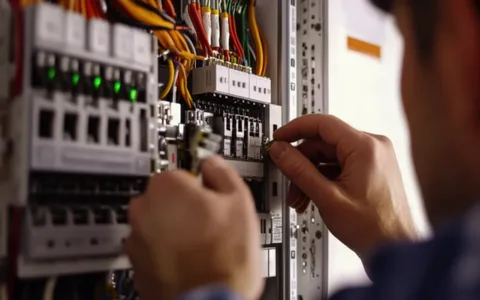
Our electrical panel is one of the most important safety components in your home or business. It controls the flow of electricity throughout the building and protects your electrical system from overloads, short circuits, and other dangerous conditions. However, if your property still has a Zinsco or Federal Pacific electrical panel, you could be facing a serious safety risk without even knowing it.
Why Are Zinsco and Federal Pacific Panels Dangerous?
Electrical panels are designed with circuit breakers that automatically trip when they detect an overload or fault. This safety mechanism prevents wiring from overheating, reduces the risk of electrical fires, and protects valuable appliances and equipment.
The problem with Zinsco and Federal Pacific Electric (FPE) panels is that their breakers have a documented history of failing to trip when they should. Instead of shutting off power during hazardous conditions, the breakers may remain active, allowing excessive current to continue flowing through the electrical system.
This failure can lead to:
- Electrical fires
- Melted wiring and insulation
- Damage to appliances and electronics
- Increased risk of electric shock
- Costly repairs and property damage
- Understanding Zinsco Electrical Panels
Zinsco panels were commonly installed in homes from the 1950s through the 1970s. Over time, electricians and safety experts discovered that many Zinsco breakers could become fused to the panel’s bus bar. When this happens, the breaker may appear to be functioning normally while failing to disconnect power during an overload.
In some cases, homeowners are completely unaware that their electrical protection system is no longer working properly until a dangerous situation occurs.
The Risks of Federal Pacific Electric (FPE) Panels
Federal Pacific Electric panels, particularly those equipped with Stab-Lok breakers, have been the subject of safety concerns for decades. Independent testing has shown that some breakers may fail to trip under conditions where they are required to do so.
A breaker that does not trip during a fault can allow wiring temperatures to rise to dangerous levels, significantly increasing the likelihood of an electrical fire.
Signs Your Home May Have One of These Panels
You may have a Zinsco or Federal Pacific panel if:
- Your home was built between the 1950s and 1980s.
- The electrical panel displays the name “Zinsco,” “GTE-Sylvania,” “Federal Pacific,” or “FPE.”
- Breakers feel loose, hot, or difficult to reset.
- You notice flickering lights or unexplained electrical issues.
Even if you have not experienced any problems, these panels should be evaluated by a licensed electrician due to their known safety concerns.
Why Replacement Is the Best Solution
Unlike many electrical issues that can be repaired, replacing individual breakers in a Zinsco or Federal Pacific panel is generally not considered a long-term safety solution. The underlying design and reliability concerns remain.
A modern electrical panel provides:
- Improved safety protection
- Reliable breaker operation
- Better support for today’s electrical demands
- Compliance with current electrical codes
- Increased property value and buyer confidence
- Protect Your Home and Family
Electrical hazards often remain hidden until a serious incident occurs. If your home or business still uses a Zinsco or Federal Pacific electrical panel, scheduling an inspection and replacement should be a top priority.
The cost of upgrading an outdated panel is small compared to the potential consequences of an electrical fire or major equipment damage. A licensed electrician can assess your system and recommend a safe, code-compliant replacement that provides reliable protection for years to come.
Conclusion
Zinsco and Federal Pacific electrical panels have earned a reputation for safety concerns due to breakers that may fail to trip properly during dangerous electrical conditions. If your property still has one of these panels, don’t wait for a problem to occur. Replacing the panel now can significantly reduce fire risks, protect your electrical system, and provide valuable peace of mind.