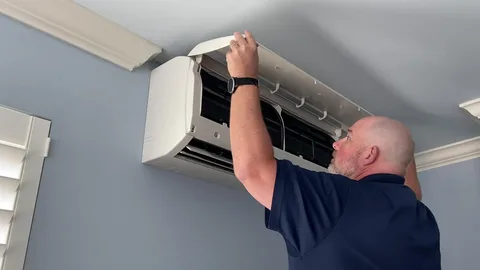
Learn how air conditioning installation in La Vernia, TX depends on system sizing, ductwork, airflow, efficiency, electrical needs, and long-term maintenance.
A new cooling system should do more than lower the temperature. Blackbelt AC Heating and Electric approaches system planning by looking at home size, insulation, ductwork, airflow, electrical capacity, equipment condition, and daily cooling needs. Homeowners considering air conditioning installation in La Vernia, TX should understand how system sizing and setup affect comfort, energy use, humidity control, and long-term performance.
In San Antonio, TX, homeowners comparing air conditioning services may also need to think about existing duct conditions, thermostat placement, refrigerant lines, drainage, and whether older equipment still matches the needs of the home.
A properly planned system should fit the property rather than simply replace the old unit with equipment of a similar size.
What Air Conditioning Installation Should Evaluate
Professional air conditioning installation in La Vernia, TX should begin with a review of the home and the current HVAC system.
Cooling demand depends on more than square footage.
Important factors include:
- Home size
- Ceiling height
- Insulation
- Window exposure
- Duct condition
- Airflow
- Number of rooms
- Existing equipment
- Electrical capacity
- Thermostat location
- Drainage
- Outdoor unit placement
These details help determine what type of system can serve the home properly.
Air Conditioning Installation Needs Correct System Sizing
Air conditioning installation works best when the equipment matches the actual cooling load.
An oversized system may cool quickly but cycle too often. That can affect humidity control and comfort.
An undersized unit may run for long periods without reaching the desired temperature.
Proper sizing should account for the building itself rather than relying only on the capacity of the old system.
Air Conditioning Services in San Antonio, TX
Homeowners comparing air conditioning services in San Antonio, TX may need more than a simple equipment replacement.
Older ductwork can reduce performance even when the new AC unit works correctly.
Leaks, crushed sections, poor insulation, or restricted airflow can make some rooms harder to cool.
The installation plan should also review supply and return airflow.
If the duct system cannot move enough air, new equipment may not perform as expected.
Comparing Common AC System Decisions
Different installation choices can affect comfort and long-term use.
| Installation Factor | Main Purpose | Key Consideration |
| System Size | Match cooling demand | Home load |
| Duct Review | Support airflow | Leaks and restrictions |
| Thermostat | Control comfort | Placement and compatibility |
| Outdoor Unit | Release heat | Clearance and airflow |
| Drainage | Remove condensate | Proper routing |
| Electrical Supply | Power equipment | Capacity and protection |
Each part should work with the rest of the system.
Ductwork Can Limit AC Performance
A new air conditioner cannot correct every duct problem.
Leaky ducts may lose conditioned air before it reaches the rooms.
Poorly sized ductwork can also restrict airflow.
Homeowners may notice:
- Uneven room temperatures
- Weak airflow
- Hot or cold spots
- Excessive dust
- Long cooling cycles
- Higher energy use
- Noisy vents
These signs can point to airflow issues that deserve attention during installation planning.
AC Repair and Maintenance Still Matter After Installation
AC repair and maintenance remain important after a new system goes into service.
Even properly installed equipment needs regular care.
Filters should be replaced or cleaned according to system needs.
Outdoor units should remain clear of heavy debris and blocked airflow.
Drainage should also receive attention because clogged condensate lines can create water problems.
Routine service can help identify smaller issues before they become larger failures.
Thermostat Placement Can Affect Comfort
The thermostat tells the HVAC system when to run.
Its location matters.
A thermostat placed near direct sunlight, exterior doors, heat-producing appliances, or other unusual temperature sources may not represent the rest of the home accurately.
The thermostat should reflect the general indoor conditions.
Modern controls may also include scheduling, remote access, or other features.
Those features can improve convenience, but correct placement and system compatibility still matter more than added technology alone.
Outdoor Unit Placement Needs Enough Space
The outdoor condenser needs clear airflow.
Placing the unit too close to walls, landscaping, storage, or other obstructions can affect performance.
The location should also allow technicians to access the equipment for future maintenance.
Homeowners should avoid allowing shrubs or debris to crowd the unit after installation.
Keeping the area clear helps the system release heat more effectively.
Common AC Installation Mistakes
One common mistake is choosing equipment based only on price.
Another is assuming a larger system will cool the home better.
Other mistakes include:
- Ignoring duct condition
- Poor thermostat placement
- Insufficient airflow
- Incorrect refrigerant setup
- Weak condensate drainage
- Limited service access
- Poor outdoor unit clearance
- Skipping electrical review
A new system should be installed as part of a complete cooling setup rather than treated as one isolated piece of equipment.
Practical Steps Before Replacing an AC System
Homeowners can prepare by reviewing how the current system performs.
Before installation:
- Note rooms that stay warmer than others.
- Identify weak airflow.
- Review recent repair history.
- Check the thermostat location.
- Consider changes in household use.
- Note humidity or comfort problems.
- Ask whether ductwork needs evaluation.
- Review future cooling needs.
These details can help shape a more accurate installation plan.
Best Practices for Long-Term Cooling Performance
Good system performance depends on both installation and ongoing care.
Homeowners should change filters on schedule and keep vents open and unobstructed.
The outdoor unit should remain free of leaves, grass, and heavy debris.
Condensate drainage should also stay clear.
It helps to pay attention to changes in system behavior.
New sounds, weaker airflow, longer run times, unusual odors, or rising indoor temperatures can all signal that the system needs attention.
When Repair and Replacement Need Different Decisions
Not every cooling problem requires new equipment.
A repair may make sense when the system has a localized issue and the rest of the equipment remains in useful condition.
Replacement becomes more likely when the system has repeated failures, poor efficiency, major component problems, or no longer meets household needs.
Homeowners should consider:
- Equipment age
- Repair frequency
- Cooling performance
- Energy use
- Comfort problems
- System condition
- Future home plans
Looking at the whole system usually leads to a better decision than focusing on one repair bill.
Conclusion
Planning AC repair and maintenance requires attention to system sizing, ductwork, airflow, electrical capacity, thermostat location, drainage, and outdoor unit placement. A new AC system performs best when the rest of the cooling setup supports it.
For homeowners in La Vernia and San Antonio, Blackbelt AC Heating and Electric can approach air conditioning projects around the actual needs of the property and the condition of the existing system. Careful planning can improve comfort while helping the equipment operate more consistently over time.
FAQ
How do I know what size air conditioner my home needs?
The correct size depends on home size, insulation, windows, layout, ductwork, and other load factors. Square footage alone does not provide the full answer.
Should ductwork be checked during AC installation?
Yes. Leaks, restrictions, poor insulation, or incorrect duct sizing can reduce the performance of a new system.
Can a larger AC unit cool my home better?
Not always. Oversized equipment can cycle too quickly and may not control humidity well. The system should match the home’s actual cooling demand.
How often does a new AC system need maintenance?
Maintenance frequency depends on the equipment, usage, filter type, and local conditions. Regular inspection and filter care can support long-term performance.
When should I replace an AC system instead of repairing it?
Replacement may make more sense when the system has repeated failures, poor performance, high energy use, major component problems, or no longer meets the needs of the home.


