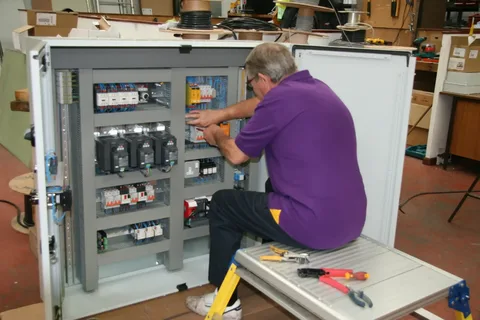


Pump Installation & Repair in San puts heating and cooling equipment through demanding seasonal changes. Hot summers require steady cooling, and winter cold fronts can quickly increase heating needs. Blackbelt AC Heating and Electric provides professional Heat Pump Installation and Repair for residential and commercial properties across San Antonio, TX. A properly selected heat pump can provide both heating and cooling from one system. It can reduce dependence on separate heating equipment and support consistent indoor temperatures. Yet equipment selection alone does not determine performance. Correct sizing, refrigerant levels, airflow, duct condition, and installation quality all matter. So, how can you tell whether your property needs repair, maintenance, or a complete system replacement?
Why heat pumps work well in San Antonio
Heat pumps transfer heat instead of creating it through combustion. During warmer months, the system moves indoor heat outside. The cycle reverses when heating is required.
This approach can provide strong energy performance. ENERGY STAR reports that certified air-source models can deliver up to three times more heat energy than the electrical energy they consume. Its guidance states that nearly half of typical household energy use goes toward heating and cooling.
San Antonio’s long cooling season makes energy-efficient heat pump installation worth considering. Modern systems can manage cooling, heating, airflow, and humidity when correctly sized.
Central systems work with compatible ductwork. Ductless units can serve additions, converted garages, or spaces without existing ducts. Commercial heat pump services may require larger equipment, zoning controls, or multiple units.
Choosing installation, repair, or replacement
A newer system with one failed component may only need residential heat pump repair in San Antonio, TX. Technicians can inspect electrical connections, refrigerant levels, coils, controls, airflow, and thermostat operation before recommending major work.
Common problems include weak airflow, unusual cycling, frozen coils, poor heating, and rising electricity use. Heat pump troubleshooting can identify whether the cause involves the thermostat, capacitor, fan motor, refrigerant circuit, or another component.
Older equipment requires a different decision. Frequent breakdowns and expensive component failures can make heat pump replacement services more practical. Replacement may make sense when repairs continue without restoring dependable performance.
ENERGY STAR warns that poor HVAC installation can reduce system efficiency by up to 30 percent. Proper installation matters just as much as equipment efficiency. This makes professional HVAC heat pump installation particularly important when replacing an aging system.
What happens during a new heat pump installation?
Good installation starts before technicians remove any equipment. A contractor should inspect the property, existing HVAC components, electrical connections, ductwork, insulation conditions, and comfort concerns.
System sizing comes next. ENERGY STAR recommends Manual J calculations for determining heating and cooling requirements rather than relying on simple rules of thumb. Oversized equipment may cycle too frequently. Undersized equipment can struggle during demanding weather.
Technicians then install the indoor and outdoor components. They connect refrigerant lines, drainage, electrical wiring, controls, and compatible ductwork. Refrigerant charge and airflow should match manufacturer requirements.
Before finishing, technicians test heating and cooling modes. They check thermostat communication, temperature changes, drainage, electrical operation, and system cycling.
A realistic example is an older San Antonio home with uneven room temperatures. Replacing equipment without checking duct leakage may leave the original comfort problem unresolved. Testing airflow before a new heat pump installation helps identify such problems early.
Maintenance and emergency heat pump repair
Regular heat pump maintenance services in San Antonio, TX help equipment handle extended San Antonio cooling periods. Maintenance should cover coils, filters, electrical connections, condensate drainage, controls, refrigerant condition, and airflow.
ENERGY STAR recommends professional pre-season HVAC checkups. Its maintenance guidance states that airflow problems can reduce system efficiency by up to 15 percent. Dirty coils can make equipment run longer and increase energy use.
Some problems should receive faster attention. Emergency heat pump repair may be needed when the system stops during severe weather, trips breakers repeatedly, produces burning smells, or develops serious electrical problems.
Companies such as Blackbelt AC Heating and Electric can inspect both heating and electrical components. This can be useful when a system problem involves breakers, wiring, controls, or equipment power.
Choosing local heat pump contractors
Searching for “heat pump contractors near me La Vernia, TX” produces many choices, but experience alone should not guide your decision. Check licensing, insurance, written estimates, equipment knowledge, warranties, and installation procedures.
Ask whether the contractor performs load calculations. Find out how technicians test refrigerant charge and airflow. Request clear information about labor and equipment warranties. Good local heat pump contractors should explain whether repair or heat pump system replacement makes better financial sense.
San Antonio has local requirements for HVAC work. The City states that homeowners must use licensed trade contractors for new HVAC project components. Its Development Services Department provides mechanical permits for applicable work. The City further confirms that heat pumps and electrical HVAC systems fall under mechanical permitting requirements.
A specialist such as Blackbelt AC Heating and Electric can have an advantage over a general handyman because HVAC work involves refrigerant, airflow, electrical systems, mechanical codes, and manufacturer procedures.
Conclusion
Your next step depends on the condition of your existing equipment. Minor faults may call for HVAC repair services, and neglected equipment may benefit from maintenance. Repeated failures or poor efficiency may point toward replacement. Ask for a complete system assessment before spending money on major repairs or new equipment. Property owners in San Antonio can contact Blackbelt AC Heating and Electric to discuss repair, maintenance, or replacement options. A careful assessment can help you choose equipment and service based on your property’s actual heating and cooling needs.
FAQ’s
How long does a heat pump last in San Antonio, TX?
Many heat pumps can operate for around 10 to 15 years, depending on equipment quality, installation, usage, and maintenance. San Antonio’s long cooling season can place substantial operating hours on HVAC equipment. Regular inspections and timely repairs can help reduce unnecessary wear.
How do I know whether my heat pump needs repair or replacement?
Consider the equipment’s age, repair history, energy use, comfort performance, and repair cost. A newer system with a failed capacitor or control may justify repair. An aging system with repeated compressor, refrigerant, or electrical problems may make replacement more practical.
Do I need a permit for heat pump installation in San Antonio?
Heat pump work can fall under San Antonio’s mechanical permitting requirements. The City’s Development Services Department states that heat pumps and HVAC systems are handled through mechanical permits. Requirements can vary with project scope, so your licensed contractor should confirm the applicable permit before work begins.
How often should I schedule heat pump maintenance?
Annual professional maintenance is a sensible baseline. Systems working heavily throughout San Antonio summers may benefit from seasonal checks before periods of high demand. Filters may need attention more often. ENERGY STAR recommends checking filters monthly and servicing HVAC equipment before peak heating and cooling seasons.
What size heat pump does my San Antonio home need?
Square footage alone cannot determine correct system size. Ceiling height, insulation, windows, air leakage, orientation, occupancy, and local climate conditions affect heating and cooling loads. ENERGY STAR recommends using Manual J calculations to select properly sized HVAC equipment rather than depending on rough sizing rules.