

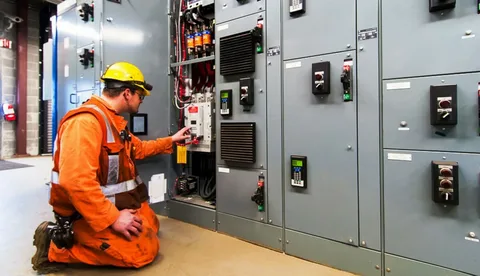
A home can add new appliances, HVAC equipment, workshop tools, smart devices, and EV charging over time, yet the electrical panel still has to distribute that growing demand safely. When existing equipment lacks capacity or a property needs a completely new power setup, precision electrical panel installation services can provide the foundation for dependable electrical distribution.
Blackbelt AC & Electrical provides electrical and HVAC services for residential and commercial properties across the San Antonio region. Electrical panel work is especially important because nearly every circuit in the property depends on the panel for controlled power distribution.
A good installation starts with understanding demand rather than simply choosing a panel with more breaker spaces. Electricians need to review service size, connected equipment, circuit requirements, grounding, and possible future additions.
For property owners in Boerne and Schertz, that planning can become especially useful when remodeling, installing major appliances, expanding living space, or replacing aging electrical equipment. The sections below explain what should be considered before a new panel becomes part of the property.
Think About Electrical Demand Before Panel Size
Panel capacity should reflect how a property actually uses electricity. Two similar-sized homes can have very different electrical requirements based on appliances, cooling equipment, workshops, pools, or vehicle charging.
Choosing equipment before understanding those loads can create unnecessary limitations later.
Start With the Circuits the Property Must Support
A proper electrical load assessment reviews major electrical equipment and estimates how much demand the system needs to manage safely.
That process becomes especially useful before modern electrical panel upgrades because added capacity should solve a real need rather than simply increase the panel rating without a clear reason.
An electrician may review:
- Heating and cooling equipment.
- Electric cooking appliances.
- Water-heating equipment.
- Laundry circuits.
- EV charging or workshop loads.
Future plans deserve attention as well. A homeowner planning a kitchen remodel or new charger may need different capacity than a homeowner with no major electrical additions planned.
For this reason, load planning should come before final equipment selection. It gives the project a technical basis and helps determine which circuits, breakers, and service components need attention.
Installation Is More Than Mounting a Breaker Box
The visible panel is only one part of the installation. Proper power distribution depends on connections, breaker arrangement, grounding, labeling, conductor sizing, and coordination with the rest of the electrical system.
Small details inside the panel can affect how safely and predictably the system operates.
Build the Panel Around the Whole Electrical System
Advanced electrical panel installation services should account for both present circuits and practical future expansion.
A well-planned breaker panel installation includes appropriate breaker positions, circuit identification, secure terminations, and organized distribution. Meanwhile, an electrical load assessment can help determine how the connected demand should be distributed.
Installation planning commonly addresses:
- Main service capacity.
- Breaker requirements.
- Grounding and bonding.
- Circuit organization.
- Reserved expansion space.
Electrical panel work may also uncover older conductors, damaged components, or connections that deserve correction before the installation is complete.
That does not mean every existing component needs replacement. Instead, the electrician should distinguish between work that directly affects the new panel and improvements that are optional or unrelated.
The finished system should make future troubleshooting easier, not more confusing.
Know When an Upgrade Makes More Sense Than Repair
Not every electrical panel problem calls for new equipment. A faulty breaker or isolated connection issue may sometimes be addressed without replacing or enlarging the entire panel.
The decision becomes different when capacity limitations or widespread panel deterioration are involved.
Compare the Existing Condition With Future Demand
Homeowners considering electrical panel upgrades in Boerne, TX should look at both present panel condition and upcoming electrical needs.
Targeted electrical panel repair may make sense when the overall equipment remains suitable and the issue affects a limited component. In contrast, planned electrical panel replacement may be considered when existing equipment is damaged, outdated, or no longer suitable for the required electrical load.
Questions worth discussing include:
- Does the panel have enough usable circuit space?
- Are breakers showing repeated problems?
- Is significant corrosion present?
- Will new equipment increase electrical demand?
- Is the existing service appropriate for the proposed changes?
Blackbelt AC & Electrical lists electrical installations and electrical upgrades among its services in Boerne.
A professional evaluation should explain why repair, upgrading, or replacement fits the condition found. That distinction helps property owners avoid replacing usable equipment while still addressing genuine capacity or safety concerns.
Breaker Layout Can Affect Everyday Convenience
Homeowners rarely think about breaker organization until they need to identify a circuit. Poor labeling or confusing circuit arrangements can turn a simple electrical issue into unnecessary guesswork.
A new panel offers an opportunity to make the system easier to understand.
Clear Circuit Identification Matters After Installation
A quality breaker panel installation should leave homeowners with clear, readable circuit identification.
Labels should describe useful locations or equipment rather than vague terms. “Kitchen countertop outlets” is more helpful than a generic label such as “plugs.”
Good organization also helps with electrical panel repair later because electricians can identify affected circuits more quickly.
A practical panel directory may separate:
- Kitchen appliance circuits.
- HVAC equipment.
- Lighting circuits.
- Bedroom and living-area outlets.
- Dedicated equipment circuits.
Meanwhile, up-to-date electrical panel upgrades can create room for new dedicated circuits when the system design supports them.
Homeowners should review the panel directory after installation and ask questions about unfamiliar labels.
Clear documentation does not change electrical capacity, but it makes the finished system easier to operate and maintain. That practical benefit can remain useful for years after the installation itself is complete.
New Equipment Can Change Panel Requirements
Many panel projects begin because something else is changing. A homeowner may be adding air-conditioning equipment, replacing a gas appliance with an electric model, installing an EV charger, or expanding the home.
Each addition can affect the electrical plan.
Coordinate Major Electrical Additions Before Construction
A second electrical load assessment can become important when several upgrades are planned at once. Looking at each appliance separately may miss the combined effect on available capacity.
Homeowners considering breaker panel installation in Schertz, TX should discuss planned equipment before final panel decisions are made.
Strategic electrical panel replacement may provide an opportunity to coordinate:
- New dedicated circuits.
- Higher-demand appliances.
- Added cooling equipment.
- Workshop power requirements.
- Future EV charging.
The Schertz service page discusses electrical installations, service panels, power distribution systems, upgrades, and replacements.
Blackbelt AC & Electrical also provides broader electrical installation work, which makes coordination relevant when several electrical improvements are being considered together.
Planning related work at the same time can reduce conflicts. For example, cabinet layouts, appliance locations, or HVAC equipment may influence where new electrical circuits need to run.
The electrical panel should support the property’s plan rather than becoming an afterthought once new equipment arrives.
Watch for Signs That the Existing Panel Needs Attention
Electrical panels normally operate in the background, so changes in performance can be easy to overlook. Repeated breaker trips, unusual heat, corrosion, or inconsistent power deserve closer evaluation.
However, symptoms alone do not identify the exact cause.
Diagnosis Should Come Before Major Work
Careful electrical panel repair begins with finding the source of the problem. A tripping breaker may result from an overloaded circuit, damaged equipment, wiring trouble, or the breaker itself.
Likewise, frequent electrical problems do not automatically prove that electrical panel replacement is necessary.
Signs worth reporting include:
- Breakers that trip repeatedly.
- Visible rust or corrosion.
- Unusual buzzing around the panel.
- Excessive heat at the panel.
- Damage around breakers or wiring.
A breaker panel installation should only follow a clear assessment when new equipment is being used to solve an existing problem.
If the panel remains suitable, repair may be enough. If capacity has become inadequate, an upgrade may make more sense.
That diagnostic approach protects the homeowner from treating every electrical symptom as the same problem. It also keeps the project focused on conditions that actually affect safety, capacity, and electrical performance.
Conclusion
An electrical panel should do more than hold enough breakers. It needs to distribute power according to the property’s real electrical demand while supporting the equipment homeowners use every day.
Well-planned electrical panel upgrades can help properties prepare for added appliances, remodeling work, HVAC changes, workshops, and other electrical additions. When existing equipment develops isolated issues, qualified electrical panel repair may provide an appropriate solution without unnecessary replacement.
In other cases, carefully evaluated electrical panel replacement may become more practical because of condition, capacity, or significant system changes. A properly completed breaker panel installation should then include organized circuits, useful labeling, proper connections, and consideration for future electrical needs.
Blackbelt AC & Electrical serves communities throughout the San Antonio area, including Boerne and Schertz, with electrical panels and related electrical services.
Before choosing new panel equipment, property owners should understand what the building currently demands and what may change over the coming years. That information allows the electrician to recommend equipment based on actual conditions rather than assumptions.
The strongest panel project starts with evaluation, moves through accurate planning, and ends with a system that is easier to understand and better prepared for the property’s electrical needs.
FAQ’s
What is an electrical panel responsible for?
The panel receives electrical service and distributes power through individual breakers to circuits serving lights, outlets, appliances, HVAC equipment, and other electrical loads.
When might a property need a larger electrical panel?
Additional capacity may be considered when remodeling, adding major electric appliances, installing EV charging, expanding the property, or increasing other electrical loads.
Does a tripping breaker mean the whole panel needs replacement?
No. Breaker trips can result from circuit overloads, faulty equipment, damaged wiring, or breaker problems. An electrician should diagnose the cause first.
Why is an electrical load assessment useful?
It helps determine how much electrical demand a property creates and whether the existing or proposed electrical service can support that demand appropriately.
Should future appliances be discussed before panel installation?
Yes. Planned HVAC equipment, electric cooking appliances, EV chargers, workshops, additions, and other high-demand equipment can influence panel and circuit requirements.


