

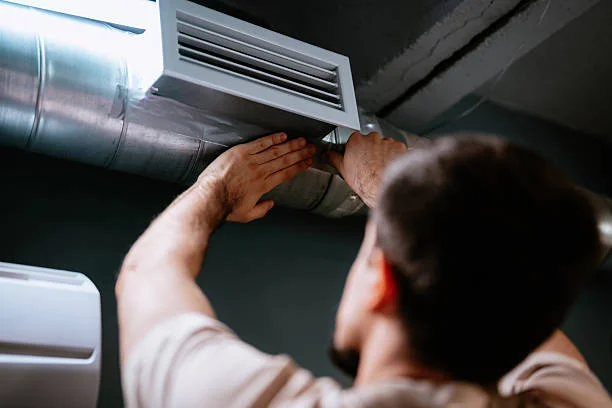
A smart homeowner checklist for professional ductwork services in Bexar County, TX, covering costs, signs, and tips you can actually use.
Our cousin moved into a 1990s ranch home near San Antonio two years ago. The first electric bill hit $340 in June. She thought the AC was broken, but the real problem was hiding in the attic. Half her ducts had loose joints, and warm attic air was mixing with the cold air before it ever reached the bedrooms. Once a crew sealed the system, her bill dropped almost 30% the next month. That story is more common than people think, and it pushed us to put together a real checklist for homeowners across Bexar County.
Ducts are the part of the system nobody sees, so they get ignored the longest. We work with Blackbelt AC & Electrical for our own home, and after years of watching their crew work on attics, garages, and crawl spaces, we picked up a list of things every homeowner should check before, during, and after a duct service visit.
Why Ductwork Matters More Than People Think
Most homes in Bexar County run on forced-air systems, which means every bit of cool or warm air travels through a network of metal or flex ducts. The U.S. Department of Energy reports that the average home loses about 20% to 30% of its conditioned air through leaks, holes, and poorly connected ducts. In Texas heat, that loss turns into real money on every monthly bill.
Have you ever felt one room stay hot while the rest of the house feels fine? That uneven cooling is almost always a duct issue, not a thermostat issue. A 2022 ENERGY STAR study found that proper duct sealing can cut cooling costs by up to $200 a year in hot climates. For a Bexar County home, that adds up fast over a decade.
Our own attic had a torn return duct for three summers before we caught it. The drywall above the hallway felt warm to the touch, and that was our first clue.
Pre-Service Checklist for Homeowners
Before any crew shows up, walk through these items. They take about 20 minutes and save you money later.
Check every vent in the house. Hold a thin piece of paper near each one with the AC running. Weak airflow points to a leak or a blocked branch.
Look in the attic if you can do it safely. Loose tape, drooping flex duct, or visible holes are the easy stuff to spot.
Pull off two or three vent covers and shine a flashlight inside. Black dust ringing the opening means the duct is leaking dirty attic air into the system.
Take photos of any problem areas. Send them to the company before the visit. Good crews give better quotes when they see what they are walking into.
Write down which rooms feel off. Hot bedrooms, stuffy offices, or cold corners all give the tech a starting point.

What a Proper Duct Service Visit Looks Like
A real visit is not just a quick look around. We have watched the process enough times to know the steps.
The tech starts with a static pressure test at the air handler. This reading tells them if the system is choking on a blockage or a bad design.
Next comes a visual check of every accessible run. They look for crushed flex duct, broken seals at the boots, and any spot where insulation has fallen off.
Then they run a duct blaster test if the home needs one. This pressurizes the system and measures total air loss. A passing score in Texas is usually under 4% leakage to the outside.
After that, they list out the fixes. Sealing, replacing damaged sections, adding insulation, or rebuilding the return system are all common.
A good crew shows you the numbers before and after the work. If they cannot prove the system improved, they did not really fix it.
Cost Guide for Common Duct Work in Bexar County
We pulled these prices from real quotes we have seen across San Antonio, Helotes, and Boerne over the past two years. Numbers shift with material costs, but this gives a fair starting point.
| Service Type | Average Cost | Time on Site |
| Full duct inspection with pressure test | $150 – $300 | 1 to 2 hours |
| Duct sealing (mastic or Aeroseal) | $1,200 – $2,800 | 1 day |
| Replacing one damaged duct run | $300 – $600 | 2 to 4 hours |
| Full system replacement (single-story home) | $3,500 – $7,000 | 1 to 2 days |
| Adding a return air duct | $500 – $1,000 | Half day |
The cheapest option is rarely the right one. Sealing a system that needs full replacement just wastes money. A real crew tells you which path makes sense for your home.
Signs Your Ducts Need Help Right Now
Some duct problems can wait a month. Some cannot. Here is what we tell friends to watch for.
Dust collecting on vents faster than normal. If you wipe a vent on Sunday and it looks dirty by Wednesday, your ducts are pulling junk from the attic or wall cavities.
Loud popping sounds when the system kicks on. Thin metal ducts flex under pressure, but loud bangs mean the joints are loose or undersized.
Whistling noises at vents. This points to a return that is too small for the system, which strains the blower motor over time.
Higher humidity inside the house. Leaky ducts pull in humid air from unconditioned spaces. Our cousin’s house went from 65% humidity down to 48% after sealing.
A musty smell when the AC starts. That smell often comes from moisture inside duct insulation, which can grow mold within weeks in our climate.
A Personal Story Worth Sharing
Three years back, we hired a budget crew to seal our ducts. The guy used cheap foil tape on every joint, finished in two hours, and charged $600. By the next summer, every piece of that tape had peeled off in the attic heat. We called for professional ductwork services in Bexar County, TX and got the work redone with mastic and metal-backed tape. Six years later, those joints still hold. Foil tape in a Texas attic is a waste of money, full stop. The right materials cost more upfront and last 10 times longer.
Questions to Ask Before You Sign
What sealing method will you use? Mastic and Aeroseal hold up. Cloth duct tape and foil tape do not.
Will you test the system before and after? If they say no, find someone else.
Are you pulling a permit for any new duct runs? Bexar County requires permits on certain types of work.
What warranty comes with the sealing? Five years on labor is the standard for good shops.
How long will the system be down during the work? Plan ahead if you have pets, kids, or anyone with breathing issues.
DIY Steps That Help Between Service Visits
Change your filter every 30 to 45 days. A clogged filter raises static pressure and stresses every joint in the system.
Keep furniture away from vents. Blocked supply registers force pressure back into weak spots in the ductwork.
Walk your attic once a year with a flashlight. Look for fallen insulation, droopy flex duct, or daylight showing through any seam.
Never touch the inside of a duct with a vacuum hose. Home vacuums can collapse flex duct and shred insulation.
Wrap Up
Ducts are the most ignored part of a home cooling system, and that is exactly why they cause so many bills, hot rooms, and dust problems. A good service visit is not about quick patches, it is about testing, sealing with the right materials, and showing real numbers before and after the work. We have spent enough money on cheap fixes to know what the right job actually looks like. If your home in Bexar County has uneven rooms, high bills, or strange noises from the vents, get a real test done before another summer hits. For long-term comfort and lower bills, look into the best air duct installation and repair in Bexar County, TX and ask for written results from every test the crew runs.
FAQs
How long does professional duct sealing usually take?
Most single-story homes in Bexar County need about one full day for sealing work. Larger homes or two-story builds can stretch into a second day. The actual work is faster than the prep and testing, since pressure testing before and after eats up a few hours. Plan for the AC to be off during most of the visit.
Can leaky ducts really raise my energy bills that much?
Yes, and the numbers surprise most homeowners. Federal studies show that homes with leaky ducts can lose 20% to 30% of conditioned air before it reaches the rooms. In Texas summer rates, that easily turns into $60 to $100 extra per month for a mid-sized home. Sealing pays for itself within a few cooling seasons for most families.
What is the difference between mastic sealant and Aeroseal?
Mastic is a thick paste applied by hand to every visible joint and seam. Aeroseal is an aerosol process that pressurizes the duct system and seals leaks from the inside out. Mastic is great for accessible attic runs. Aeroseal works better for hidden or hard-to-reach ducts inside walls or floors. Many homes do well with a mix of both.
Should I replace my ducts when I install a new AC unit?
If your ducts are over 15 years old or built from flex duct in poor shape, replacement at the same time as a new AC saves money in the long run. New high-efficiency units lose much of their benefit when paired with leaky old ducts. A good tech tests the system first and tells you honestly whether replacement is needed or just sealing.
Are duct issues covered under home warranties?
Most basic home warranty plans do not cover duct sealing or replacement. They usually cover the AC unit itself, not the airflow system around it. Read the fine print before signing up. Some upgraded plans include duct coverage, but the deductibles often equal a basic service call anyway. Asking for a written quote from a real contractor is usually the better path.
How long does professional duct sealing usually take?
Most single-story homes in Bexar County need about one full day for sealing work. Larger homes or two-story builds can stretch into a second day. The actual work is faster than the prep and testing, since pressure testing before and after eats up a few hours. Plan for the AC to be off during most of the visit.
Can leaky ducts really raise my energy bills that much?
Yes, and the numbers surprise most homeowners. Federal studies show that homes with leaky ducts can lose 20% to 30% of conditioned air before it reaches the rooms. In Texas summer rates, that easily turns into $60 to $100 extra per month for a mid-sized home. Sealing pays for itself within a few cooling seasons for most families.
What is the difference between mastic sealant and Aeroseal?
Mastic is a thick paste applied by hand to every visible joint and seam. Aeroseal is an aerosol process that pressurizes the duct system and seals leaks from the inside out. Mastic is great for accessible attic runs. Aeroseal works better for hidden or hard-to-reach ducts inside walls or floors. Many homes do well with a mix of both.
Should I replace my ducts when I install a new AC unit?
If your ducts are over 15 years old or built from flex duct in poor shape, replacement at the same time as a new AC saves money in the long run. New high-efficiency units lose much of their benefit when paired with leaky old ducts. A good tech tests the system first and tells you honestly whether replacement is needed or just sealing.
Are duct issues covered under home warranties?
Most basic home warranty plans do not cover duct sealing or replacement. They usually cover the AC unit itself, not the airflow system around it. Read the fine print before signing up. Some upgraded plans include duct coverage, but the deductibles often equal a basic service call anyway. Asking for a written quote from a real contractor is usually the better path.


