

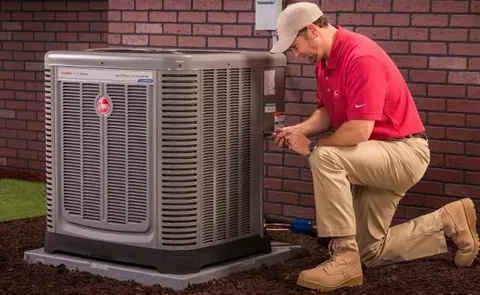
Need heat pump services in Bexar County TX? Learn about heat pump types, costs, repair signs, and how to find a trusted local HVAC contractor near you.
Heat pumps have become one of the most talked-about HVAC options in South Texas, and for good reason. They handle both heating and cooling in a single system, they run with impressive efficiency during the mild winters that Bexar County sees most years, and they’ve gotten significantly more capable over the past decade at handling the occasional cold snap that moves through the region.
But a heat pump is also a system that many homeowners don’t fully understand — how it works, what makes it different from a standard AC with a gas furnace, when it makes sense financially, and what it needs when something isn’t right. These aren’t complicated topics once someone explains them clearly, and that’s what this guide is here to do.
Whether you’re considering a new heat pump installation, dealing with an existing system that isn’t performing the way it should, or just trying to understand what you have and what it needs, you’ll find practical answers here. At Blackbelt AC Heating and Electric, we provide heat pump services across Bexar County and we believe every homeowner deserves to understand their own HVAC system before they make any decisions about it.

Why Heat Pumps Work So Well in Bexar County’s Climate
Bexar County’s climate is one of the reasons heat pumps are such a strong option here. San Antonio and the surrounding communities see long, hot summers that require serious cooling capacity — and relatively mild winters that only occasionally dip into genuinely cold territory.
A heat pump moves heat rather than generating it. In summer, it extracts heat from inside the home and moves it outside — the same process a standard air conditioner uses. In winter, it reverses that process, extracting heat energy from outdoor air and moving it inside. Even when outdoor temperatures are cool, there’s still usable heat energy in the air, and a heat pump can transfer that heat into the home with far less electricity than resistance heating would use to generate the same amount of warmth.
The efficiency advantage of heat pumps over electric resistance heating is substantial. A modern heat pump delivers two to four units of heat energy for every unit of electricity it consumes, depending on outdoor temperatures and system efficiency ratings. An electric resistance heater converts one unit of electricity into exactly one unit of heat. In Bexar County’s mild winters, where temperatures rarely stay severely cold for extended periods, heat pumps operate at their peak efficiency advantage for most of the heating season.
According to the U.S. Department of Energy, heat pumps can reduce electricity use for heating by approximately 50% compared to electric resistance heating in climates where winter temperatures are mild to moderate. For Bexar County homeowners who currently heat with electric strip heaters or baseboard heating, that efficiency difference represents real, measurable savings on every monthly electric bill through the cooler months.
The 2021 winter storm event raised valid questions about heat pump performance in extreme cold. Modern heat pump systems installed in Texas include electric resistance backup strips that engage when outdoor temperatures drop too low for efficient heat pump operation. Cold climate heat pump models with enhanced performance at lower temperatures are also available for homeowners who want additional cold weather confidence.
Types of Heat Pump Systems Available in Bexar County
Understanding the main categories of heat pump systems helps you match the right option to your home’s specific configuration and needs.
Air-source heat pumps are the most common type for residential use in Bexar County. They extract heat from outdoor air and move it inside during heating mode, and move indoor heat outside during cooling mode. An outdoor unit connects to an indoor air handler, which distributes conditioned air through the home’s ductwork. This configuration looks and functions similarly to a standard central AC system from the homeowner’s perspective, with the added capability of providing heat during cooler months.
Ductless mini-split heat pumps use the same air-source technology but without central ductwork. An outdoor unit connects to one or more indoor wall-mounted air handlers in individual rooms or zones. Each zone is controlled independently, which provides both comfort precision and energy savings by conditioning only the spaces being used. Mini-splits are ideal for room additions, garages, and older homes where adding or extending central ductwork isn’t practical.
Dual fuel systems pair an air-source heat pump with a gas furnace as a backup. The heat pump operates during mild and moderate cold conditions, using electricity at high efficiency. The gas furnace takes over during severe cold events when it becomes more cost-effective than running the heat pump’s backup strips. For Bexar County homeowners who want the best of heat pump efficiency during typical winters and gas reliability during extreme cold, dual fuel is a strong choice.
Geothermal heat pumps exchange heat with the ground rather than the air, using the earth’s stable subsurface temperature as a heat source and heat sink. They’re more efficient than air-source systems and less affected by outdoor temperature extremes, but the installation cost is significantly higher due to the ground loop installation required. Geothermal is a long-term investment option for homeowners who plan to stay in the home for many years.
Heat Pump Services: Installation, Maintenance, and Repair
Heat pump services cover the full range of work a system needs across its life — from the initial installation through routine maintenance to diagnosing and repairing problems as they develop.
Installation is where everything starts. Proper heat pump installation involves a Manual J load calculation to determine the right system capacity, equipment selection based on the home’s specific needs and efficiency goals, physical installation of the outdoor and indoor units, refrigerant line connections, electrical connections, duct connections or new duct installation, and commissioning to verify the system operates correctly in both heating and cooling modes.
Preventive maintenance keeps the system running efficiently and extends its service life. An annual tune-up — ideally in spring before the cooling season — should include checking refrigerant charge, cleaning the coils on both indoor and outdoor units, inspecting and tightening electrical connections, testing the reversing valve that switches between heating and cooling, checking the backup heating strips, testing defrost cycle operation, and verifying that both heating and cooling modes perform within manufacturer specifications.
Repair services address the problems that develop during the system’s life. Heat pumps have more components than simple cooling-only systems — the reversing valve, defrost controls, and backup heating strips add to the diagnostic complexity when something isn’t working correctly. An HVAC technician with specific heat pump experience diagnoses and repairs these systems more efficiently and accurately than one whose experience is primarily with cooling-only equipment.
Signs Your Bexar County Heat Pump Needs Service
Recognizing when a heat pump needs professional attention — before it fails completely — saves money and prevents the discomfort of a breakdown during the hottest or coldest weather.
| Warning Sign | What It May Indicate | Urgency |
| System blowing warm air in cooling mode | Low refrigerant, failing compressor, reversing valve issue | High — call promptly |
| System blowing cool air in heating mode | Reversing valve stuck, low refrigerant, defrost issue | High — call promptly |
| Ice building up on outdoor unit | Low refrigerant, airflow restriction, defrost failure | High — reduced efficiency and component damage |
| Unusual noises (grinding, squealing, banging) | Failing motor, loose components, compressor issue | Medium to high |
| Higher than normal electric bills | Dirty coils, low refrigerant, system efficiency loss | Medium |
| Backup heat strips running frequently | Heat pump losing capacity, refrigerant issue | Medium |
| System short-cycling (turning on and off frequently) | Oversized system, refrigerant issue, thermostat problem | Medium |
Homeowners looking for the best heat pump installation and repair in Bexar County TX should not wait for a complete system failure before calling for service. Addressing these warning signs early almost always costs less than an emergency repair during peak weather.
What Heat Pump Services Cost in Bexar County TX
Understanding realistic cost ranges protects you from overcharging and helps you recognize when a bid is too low to include what actually needs to happen.
A standard air-source heat pump installation for a 2,000 to 2,500 square foot Bexar County home typically runs between $4,500 and $8,500 installed, depending on system size, efficiency rating, and whether any duct modifications are needed. High-efficiency systems and dual fuel configurations carry higher upfront costs but lower long-term operating expenses.
Heat pump services in Bexar County TX for annual preventive maintenance typically run between $100 and $175 per visit — similar to standard AC maintenance pricing but covering the additional heat-specific components like the reversing valve, defrost controls, and backup heating strips.
Common heat pump repairs vary widely in cost. Refrigerant leak detection and recharge runs $250 to $600 depending on the amount of refrigerant needed and the leak repair complexity. Reversing valve replacement — one of the heat pump-specific repairs — typically runs $400 to $800 parts and labor. Defrost control board replacement runs $250 to $500.
A heat pump replacement versus repair decision becomes relevant when a system reaches 12 to 15 years of age or when a single repair would cost more than 50% of the system’s replacement value. At that point, investing in a new system with a full manufacturer’s warranty and current efficiency technology often makes more financial sense than continuing to repair aging equipment.
According to Energy Star, heat pumps that earn the Energy Star certification can save $150 to $300 per year in heating and cooling costs compared to standard equipment in mild-climate markets like Bexar County. Over the typical 15-year lifespan of a system, those annual savings compound into a significant financial difference that justifies the higher upfront cost of certified equipment.
How to Choose a Heat Pump Service Company in Bexar County TX
Texas requires HVAC contractors to hold a state license through the Texas Department of Licensing and Regulation. Verify any contractor’s license status at tdlr.texas.gov before signing anything. Ask specifically whether the technicians who will work on your heat pump have experience with heat pump systems — not just standard cooling-only equipment. The reversing valve, defrost systems, and dual-fuel integration points require specific knowledge that general HVAC training doesn’t always cover in depth.
Ask for written estimates that separate equipment cost, installation labor, and any duct or electrical work required. Estimates that bundle everything into a single number make fair comparison difficult and make it harder to hold a contractor accountable for specific deliverables.
Ask about their commissioning process after installation. A contractor who verifies the system in both heating and cooling modes, checks refrigerant charge with gauges, and reviews airflow at supply registers before leaving is doing a complete installation. One who installs equipment and leaves without commissioning is leaving the performance verification up to chance.
References from recent heat pump projects in Bexar County are worth asking for and following up on. Local experience with Bexar County’s climate, soil conditions for geothermal work, and utility rates matters in ways that a contractor working primarily in other regions can’t match.
Closing Thoughts
Heat pump services in Bexar County cover everything from a new installation that sets a home up for decades of efficient heating and cooling, to a repair that gets an existing system back to full performance, to the routine maintenance that keeps a working system running well for its full expected lifespan. Getting all of those things right requires a licensed contractor with specific heat pump experience and a clear process for every type of service.
For any homeowner in Bexar County who has questions about their heat pump — whether it’s about a system that isn’t working right, a replacement they’re considering, or just understanding what the system needs — the best first step is a conversation with a licensed HVAC professional who knows this equipment and this market.
Blackbelt AC Heating and Electric serves Bexar County and the surrounding San Antonio metro area with professional heat pump installation, maintenance, and repair. Call us today for a free estimate or a service appointment.
FAQs
How long do heat pumps last in Bexar County TX? A well-maintained heat pump in Bexar County typically lasts 15 to 20 years. The cooling season here is long and demanding, which puts more operating hours on the system than in milder climates — that’s why consistent annual maintenance matters more here than in places where the system runs less. The outdoor unit is exposed to Bexar County’s heat, UV exposure, and occasional severe weather events that can affect components over time. Keeping the area around the outdoor unit clear of debris, scheduling annual maintenance, and addressing small issues before they become larger problems are the most effective ways to get the full expected life out of a heat pump investment. When a system approaches 15 years of age, having a licensed technician assess its condition gives you information to make an informed decision about repair versus replacement.
Can a heat pump handle San Antonio’s heat as well as a standard AC? Yes — a properly sized and installed heat pump provides the same cooling performance as a standard air conditioner, because the cooling mode of a heat pump uses the same refrigerant cycle as a conventional AC. The outdoor unit functions as a condenser in cooling mode, rejecting heat from the home to the outside air. The efficiency rating for cooling — measured in SEER2 — applies to heat pumps the same way it does to cooling-only systems. Modern high-efficiency heat pumps carry SEER2 ratings of 18 or above, which is comparable to the best cooling-only systems available. There’s no meaningful performance trade-off in cooling capability between a heat pump and a standard AC of equivalent size and efficiency — the heat pump simply adds heating capability as a built-in feature.
What maintenance does a heat pump need in Bexar County TX? Heat pumps in Bexar County benefit from annual professional maintenance, ideally in spring before the cooling season starts. The service should cover both the cooling and heating functions — checking refrigerant charge, cleaning indoor and outdoor coils, inspecting and tightening electrical connections, testing the reversing valve, checking the defrost system and controls, testing the backup electric heating strips, and verifying airflow and temperature performance in both modes. Monthly filter changes during heavy-use periods protect the system from dust accumulation that reduces efficiency and stresses components. Keeping the outdoor unit clear of vegetation, mulch, and debris maintains proper airflow through the condenser. Running the system in heating mode at least briefly a few times each fall — before you actually need heat — verifies that the heating function is working correctly before a cold front arrives.
Is a heat pump or gas furnace better for Bexar County TX? Both work well in Bexar County’s climate, and the right choice depends on your home’s current setup and your priorities. Heat pumps are the better choice for homes without natural gas service, for homeowners who want maximum efficiency during mild winter conditions, and for new construction where the configuration is being chosen from scratch. Gas furnaces are the more straightforward replacement option for homes that already have gas service and an existing furnace, and they provide more comfort during severe cold events than a heat pump alone — particularly for homes without a dual-fuel backup configuration. Dual fuel systems, which pair a heat pump with a gas furnace backup, offer the best of both approaches: heat pump efficiency for typical Bexar County winters and gas reliability for the occasional severe cold. Your licensed HVAC contractor can run the numbers on operating costs for each option based on your home’s specific heating load and local utility rates.
What is a reversing valve and why does it matter for heat pump repair? The reversing valve is the component that makes a heat pump different from a standard air conditioner. It’s a four-way valve that changes the direction of refrigerant flow in the system, switching the equipment from cooling mode (where the outdoor unit acts as a condenser) to heating mode (where the outdoor unit acts as an evaporator and absorbs heat from outdoor air). When a reversing valve fails or sticks in one position, the system either only cools or only heats regardless of what the thermostat calls for. Reversing valve diagnosis requires specific testing procedures that an experienced heat pump technician knows how to perform correctly — it’s one of the reasons heat pump repair requires more specialized knowledge than standard cooling-only equipment service. Reversing valve replacement typically costs $400 to $800 in parts and labor and is a repair that extends the useful life of a system that’s otherwise in good condition.


