

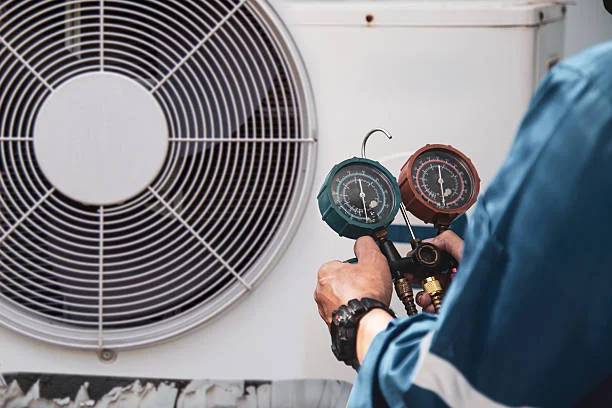
Know what to expect from a professional full-service HVAC company in Fair Oaks Ranch, TX, with real timelines, costs, and homeowner tips.
Two winters ago, our heater quit on the coldest night of the year. The thermostat read 58°F inside the house by morning, and the wind chill outside was in the low 20s. We called three companies before one picked up. The crew that showed up worked on our system for almost five hours, and by lunchtime the house felt normal again. That morning gave us a whole new respect for what a real HVAC team does. We work with Blackbelt AC & Electrical for both our heating and cooling needs, and after a few years of watching them handle every kind of issue, we want to walk you through what good service actually looks like from the moment you call until the truck pulls away.
A full-service HVAC company does much more than fix a broken unit. They handle heating, cooling, air quality, and sometimes electrical work too. Knowing what to expect saves you stress, time, and money.
Why Fair Oaks Ranch Homes Need Full-Service Help
Homes around Fair Oaks Ranch deal with hot summers, cool winters, and sudden weather swings. A single system has to handle 100°F days in July and 28°F nights in January. The U.S. Energy Information Administration reports that Texas households spend an average of $1,800 per year on heating and cooling, which is well above the national average. That number climbs higher in homes with outdated or poorly maintained equipment.
Have you ever wondered why some neighbors pay almost double for the same size house? Most of the time, the answer is the system itself. A 2024 report from the Air Conditioning Contractors of America found that homes with full-service yearly maintenance contracts pay about 15% to 20% less on energy bills compared to homes that only call for emergency repairs.
Our own home dropped from $280 monthly bills down to about $210 after we switched to a yearly service plan with a real crew. The difference paid for the plan twice over.
What a First Visit Should Look Like
The first time a company comes out, the visit should feel thorough, not rushed. Here is what we have seen during real first-time appointments.
The tech walks the whole house before touching any equipment. They count the supply vents, check the thermostat location, and look at how the rooms are laid out.
Then they check both the indoor and outdoor units. The blower, evaporator coil, condenser, and electrical connections all get a real look. They write down model numbers, serial numbers, and the age of each part.
After that comes airflow testing. Weak airflow at distant rooms points to either duct issues or an undersized system.
Finally, they sit down with you and explain what they found. A good company gives you written notes, not just a verbal rundown. If they pressure you to sign on the spot, that is a red flag.
Services a Full-Service HVAC Company Should Handle
Not every company does everything well. Here is the full list of services a real full-service operation should offer.
AC repair, replacement, and yearly tune-ups.
Furnace repair and replacement, plus safety checks on heat exchangers.
Heat pump service for homes that use them year-round.
Ductwork inspection, sealing, and replacement.
Indoor air quality work, including filtration upgrades and UV light installs.
Thermostat upgrades, including smart thermostat setup.
Emergency 24-hour service for breakdowns.
Some companies also handle electrical work like panel upgrades, generator installs, and EV charger setup. That mix is helpful for homeowners who want one trusted phone number for everything.

Average Costs for Common Work in Fair Oaks Ranch
We pulled these numbers from invoices, friend quotes, and a few neighbor conversations across the past year. Prices shift with the season, but this table gives a fair starting point.
| Service | Average Cost | Time on Site |
| Seasonal tune-up | $89 – $180 | 1 to 1.5 hours |
| AC compressor replacement | $1,800 – $3,000 | 4 to 6 hours |
| Furnace repair | $250 – $700 | 2 to 4 hours |
| Heat pump replacement | $5,500 – $9,500 | 1 full day |
| New thermostat install | $200 – $450 | 30 to 60 minutes |
| Emergency after-hours call | $150 – $300 fee | Varies |
If a quote looks way below this range, ask exactly what parts they are using. Off-brand parts, no warranty, and skipped steps are the usual reasons for cheap pricing.
A Personal Story About Real Service
Last spring, our furnace started clicking on and off in short cycles. We called for professional full-service HVAC company in Fair Oaks Ranch, TX and the tech who came out spent an hour just testing parts before saying anything. He found a cracked flame sensor and a slightly loose gas line connection. He fixed both, tested the carbon monoxide reading at three different points in the house, and walked us through every step with photos on his phone. That kind of work is what people mean when they say full-service.
We compared that visit with one we had years earlier from a different shop. That tech swapped the thermostat, charged us $400, and left in 25 minutes. Two days later, the same clicking came back. The difference between rushed work and real work is huge over the life of a system.
What to Ask Before Hiring
A good crew answers every question without getting defensive. Here are the ones we always ask.
Are you licensed by the Texas Department of Licensing and Regulation? Real companies post their TDLR number on every invoice.
Do you carry workers’ comp and liability insurance? Ask for a certificate, not just a verbal yes.
What brands do you install, and why? Honest techs explain the trade-offs between brands instead of pushing one product.
What is included in your maintenance plan? Cheap plans look the same as good ones until you read the small print.
Will the same tech come back for follow-up visits? Continuity matters. Techs who know your system catch issues faster.
Warning Signs of a Bad HVAC Company
Some red flags are easy to spot if you know what to look for.
They quote a replacement before testing the system. Real diagnosis comes first.
They cannot give a written warranty. Anything verbal is worthless when a part fails six months later.
They pressure you with same-day discounts. Good prices stay the same on Tuesday or Thursday.
They show up in unmarked vehicles with no uniform. This usually means subcontractors with no real ties to the company name on your invoice.
They cannot answer basic questions about SEER ratings, AFUE numbers, or refrigerant types. These are basics any tech should know.
Steps You Can Take Between Visits
Change your filter every 30 to 45 days. Texas dust and pet hair clog filters faster than most homeowners realize.
Keep the outdoor unit clear of leaves, brush, and grass clippings. Two feet of open space on every side is the standard rule.
Run the system for 15 minutes at least once a month during off-seasons. This keeps the motor lubricated and prevents stuck valves.
Listen for new sounds. Clicking, hissing, or grinding usually shows up weeks before a full breakdown.
Watch your bills for sudden jumps. A 20% spike with no weather change almost always points to a part starting to fail.
Wrap Up
A good HVAC company changes how your home feels and how much you pay every month. The right crew tests before they quote, explains what they find, and stands behind every part they install. We have spent enough years dealing with rushed visits and bad fixes to know what real service looks like. Take time to ask the right questions, check the license, and read the warranty. Your heating and cooling system runs more hours per year than almost anything else in your home, so it deserves real attention. For long-term comfort and lower bills, look into the best heating and cooling services in Fair Oaks Ranch, TX and get every quote in writing before any work starts.
FAQs
How often should I schedule full HVAC service in Fair Oaks Ranch?
Twice a year is the standard most techs recommend. Spring covers the cooling side and fall covers the heating side. Skipping a year is fine for newer units, but older systems past 8 years old need both visits to catch small problems early. Pets, dust, and high pollen counts in Texas push that schedule harder than other regions.
Is it cheaper to repair or replace an old HVAC system?
The simple math is to multiply the system’s age by the repair cost. If the number passes $5,000, replacement usually makes more sense. Systems over 12 years old with major part failures rarely justify the repair bill. A good tech walks you through both options with real numbers instead of pushing one path.
What does a full-service maintenance plan usually include?
Most plans cover two visits per year, priority booking during peak seasons, and small discounts on parts or repairs. Some include filter replacements, refrigerant top-ups, or free diagnostic fees. Plan prices usually run between $180 and $300 per year for a single system. Always ask for the full list of what is included before signing.
Can one company really handle both HVAC and electrical work?
Yes, and it works well for homeowners who want one trusted number for everything. Full-service companies often hold both HVAC and electrical licenses, which lets them handle thermostat wiring, panel upgrades, and generator installs without subcontracting. The savings on call-out fees alone make this setup worthwhile for most families.
What should I do if my system breaks down in the middle of the night?
Call a company that offers true 24-hour service, and ask the fee upfront before they roll out the truck. Most after-hours calls add a $150 to $300 dispatch fee on top of the repair cost. While you wait, shut off the system at the thermostat to prevent more damage, and keep doors closed to hold whatever indoor temperature you have.
How often should I schedule full HVAC service in Fair Oaks Ranch?
Twice a year is the standard most techs recommend. Spring covers the cooling side and fall covers the heating side. Skipping a year is fine for newer units, but older systems past 8 years old need both visits to catch small problems early. Pets, dust, and high pollen counts in Texas push that schedule harder than other regions.
Is it cheaper to repair or replace an old HVAC system?
The simple math is to multiply the system’s age by the repair cost. If the number passes $5,000, replacement usually makes more sense. Systems over 12 years old with major part failures rarely justify the repair bill. A good tech walks you through both options with real numbers instead of pushing one path.
What does a full-service maintenance plan usually include?
Most plans cover two visits per year, priority booking during peak seasons, and small discounts on parts or repairs. Some include filter replacements, refrigerant top-ups, or free diagnostic fees. Plan prices usually run between $180 and $300 per year for a single system. Always ask for the full list of what is included before signing.
Can one company really handle both HVAC and electrical work?
Yes, and it works well for homeowners who want one trusted number for everything. Full-service companies often hold both HVAC and electrical licenses, which lets them handle thermostat wiring, panel upgrades, and generator installs without subcontracting. The savings on call-out fees alone make this setup worthwhile for most families.
What should I do if my system breaks down in the middle of the night?
Call a company that offers true 24-hour service, and ask the fee upfront before they roll out the truck. Most after-hours calls add a $150 to $300 dispatch fee on top of the repair cost. While you wait, shut off the system at the thermostat to prevent more damage, and keep doors closed to hold whatever indoor temperature you have.


